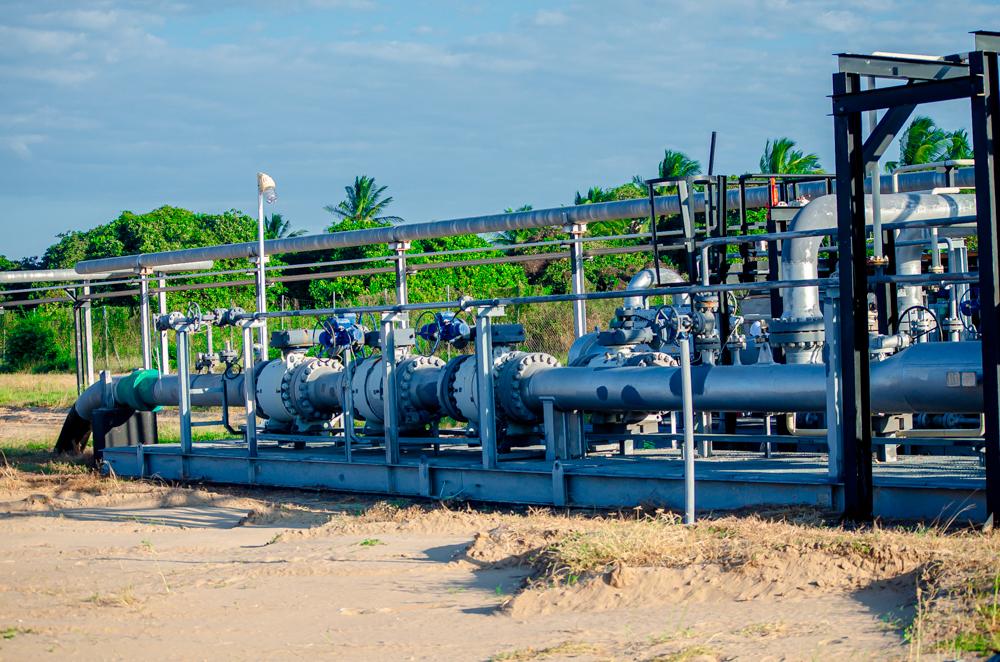
Managing multi-jurisdictional environmental permits for large-scale energy infrastructure requires an alignment of local regulatory mastery and international lender standards. Here is how East African operators can navigate these complexities.
In East Africa, the scale of current energy corridor developments represents unprecedented infrastructure coordination. The East African Crude Oil Pipeline (EACOP), stretching over 1,443 kilometers from Kabaale in Uganda to the Chongoleani peninsula in Tanzania, is a primary example of this modern challenge. Undertaking an Environmental and Social Impact Assessment (ESIA) for such transboundary pipelines involves strict compliance with both national laws and global benchmarks.
1. Aligning National Legislations with IFC Standards
While local National Environment Management Council (NEMC) guidelines in Tanzania offer a robust regulatory framework, international financiers demand alignment with the International Finance Corporation (IFC) Performance Standards. Specifically, Performance Standard 1 (Assessment and Management of Environmental and Social Risks) and Performance Standard 5 (Land Acquisition and Involuntary Resettlement) form the foundation of project bankability.
Operators must establish a singular, unified Environmental and Social Management Plan (ESMP) that satisfies both local regulators and international auditors simultaneously. Discrepancies in corridor width buffers, community consultation frequencies, and compensation rates should be resolved by applying whichever standard is more rigorous.
2. Transboundary Corridor Management & Logistics
One of the most complex components of pipeline compliance is continuous environmental monitoring across varying terrains—from swamp regions and marine systems to semi-arid savannahs. To effectively monitor these biomes, modern advisory firms rely on automated reporting frameworks and spatial data analytics.
By utilizing specialized local teams who understand the exact migration paths, local river catchment behaviors, and tribal land rights, developers can construct a bulletproof ESIA framework that ensures smooth regulatory approvals and minimizes costly operational delays.