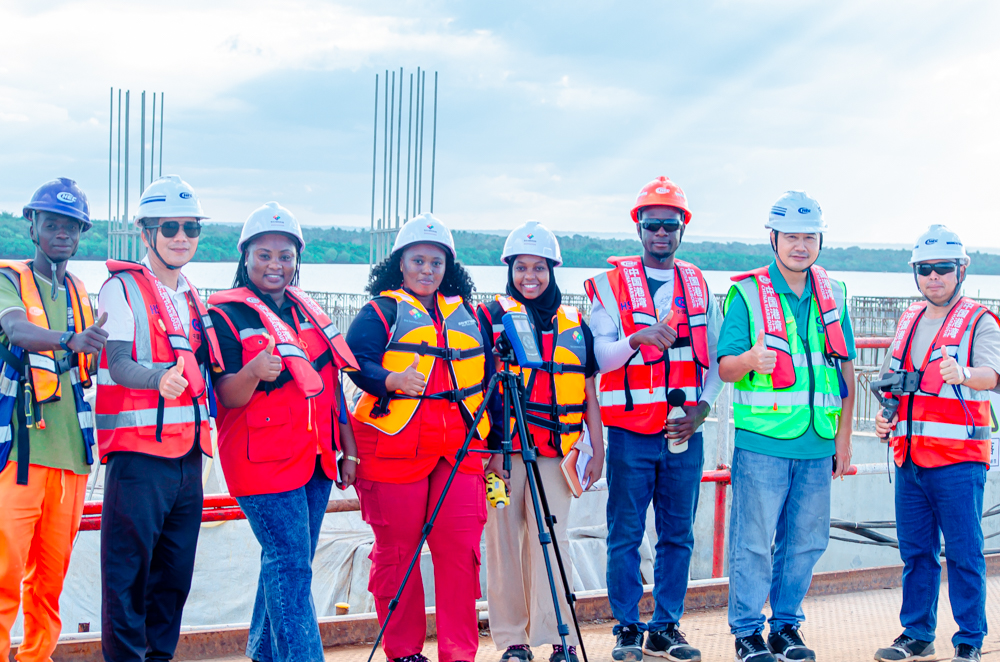
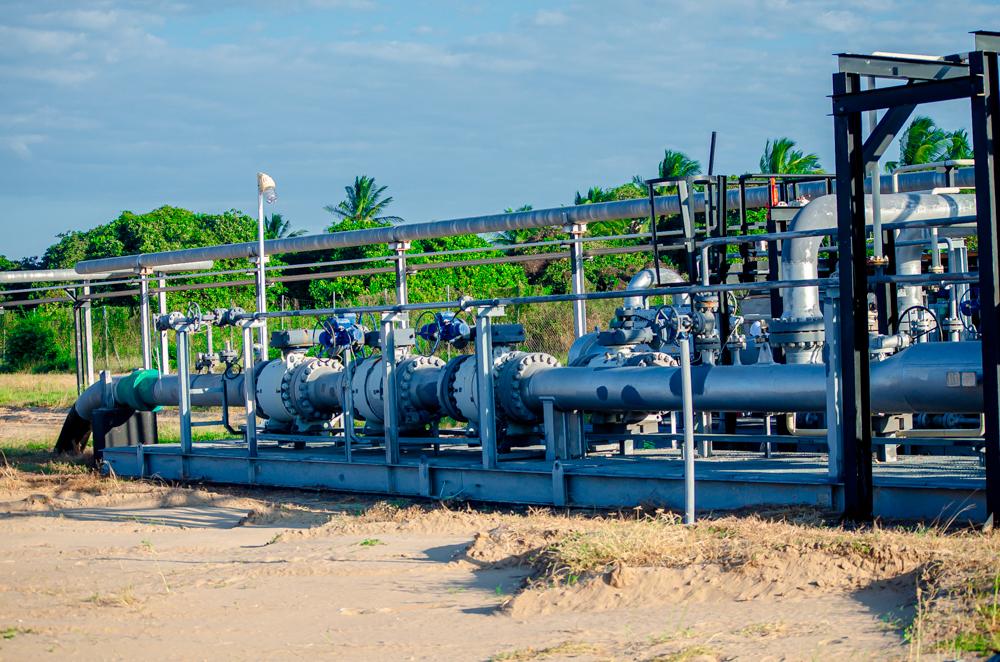
Infrastructure and energy projects often affect multiple communities, businesses, government institutions, contractors, and other stakeholders. Effective stakeholder engagement is therefore an important part of responsible project development.
Why Stakeholder Engagement Matters
Stakeholders can have different expectations, concerns, and interests in relation to a project. Understanding these perspectives early can help project teams identify potential risks and develop appropriate approaches to managing them.
Effective stakeholder engagement can help:
-
Build stronger relationships
-
Identify community concerns
-
Reduce stakeholder-related risks
-
Improve communication
-
Support regulatory processes
-
Facilitate smoother project implementation
Engagement Across Complex Projects
Large projects may cover significant geographic areas and involve numerous communities.
For example, Eco Services supported a 3D seismic Environmental and Social Impact Assessment in Lindi and Mtwara covering 736 km² and involving stakeholders across 30 villages.
The assignment combined ESIA, stakeholder engagement, and regulatory support, helping secure regulatory approval within the project timeline.
Stakeholder Engagement Throughout the Project Lifecycle
Engagement should not necessarily stop once a project receives approval. Maintaining communication during implementation can help organisations understand emerging concerns and respond appropriately.
For complex infrastructure and industrial projects, stakeholder engagement can therefore form part of an ongoing approach to social performance and risk management.
Building Responsible Projects
Strong stakeholder relationships can contribute to more predictable project implementation and help organisations manage social and regulatory risks.
By integrating stakeholder engagement into environmental and social planning, project developers can make better-informed decisions and support responsible development.